
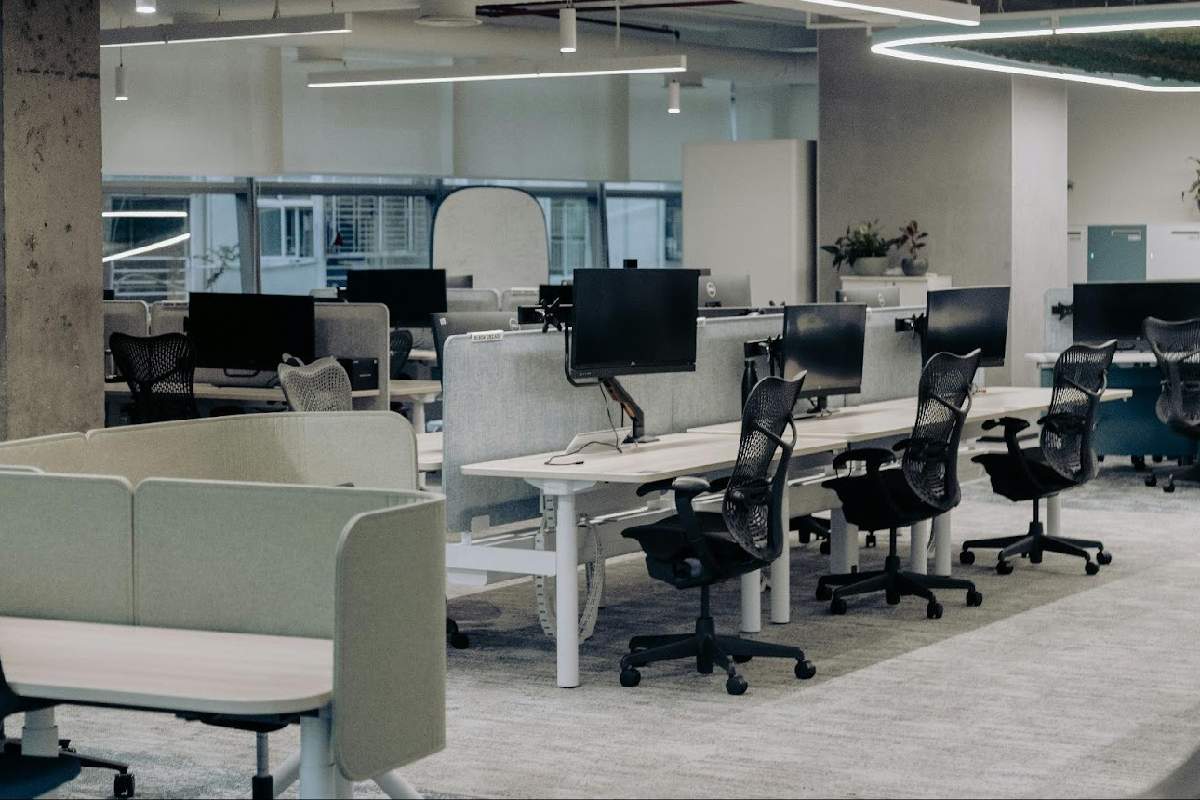
Creating a collaborative workspace may seem like a daunting task, but from my experience, it’s more about fostering a sense of community and cooperation than about nailing the perfect furniture layout. In this post, I’m going to share some tried and true tips that have worked for me over the years. Whether you’re setting up a new office or looking to refresh your current workspace, keeping communication and creativity at the forefront can transform any work environment into a hub of collaboration. Here are my top tips for making it happen.
Flexible Work Zones
As someone who tends to wander around while thinking, blending different types of work zones was key to enhancing my productivity and engagement. In past projects, we’ve designated specific areas for brainstorming, quiet work, and socialization. This flexibility allows everyone to choose the kind of space that suits their mood or task, which in turn increases comfort and productivity. Sitting at the same desk for hours on end is uninspiring, so changing the scenery should be encouraged as part of the culture.
These varied zones also serve another purpose — they promote a level of autonomy for each employee. Sometimes, merely offering the choice of where to work can inspire new perspectives and creative solutions. Whether it’s a secluded nook or a communal table, having options is empowering and can be essential for ensuring everyone feels they have their own space to contribute meaningfully.
To complement these zones, consider the addition of practical amenities that support well-being, such as office water dispensers. Easy access to hydration encourages healthier habits and can further enhance the overall work atmosphere.
Open Up the Space
One of the first things I noticed when visiting a friend’s startup was how the open layout invited interaction. Walls can be barriers, literally and metaphorically, so removing them often helps individuals feel more connected. In one job, we used portable partition walls, which were helpful for when quiet focus was needed but could easily be pushed aside for teamwork sessions. Truly, an open concept doesn’t just create physical openness but also encourages mental openness to ideas and discussions.
Communal Areas Matter
Sometimes, the best ideas come when you least expect them. Case in point: the accidental meeting I had by the coffee machine, which led to a breakthrough in a project I was struggling with. Creating a comfortable communal area for casual breaks encourages those spontaneous interactions. These can be small corners with comfy seating or a communal kitchen table. When people feel free to relax, they tend to share more, and this exchange of ideas is invaluable.
Additionally, casual communal areas serve as platforms where team culture can organically flourish. These gathering spots contribute to employees forming meaningful relationships outside of their immediate work teams. Informal, unplanned gatherings and casual conversations build bonds that extend beyond mere coworkers, fostering a truly collaborative spirit that carries over into professional pursuits.
Team Communication Tools
Many teams fall apart, not because they lack good ideas, but because they struggle with communication. In an attempt to tackle this at one job, we started using a simple chat platform that everyone had access to at all times. This kept information flowing and individuals connected, even when they were working from different locations. While face-to-face conversation cannot be replaced, having the right digital tools can support daily communication.
An undervalued aspect of these digital tools is their accessibility. Whether people are working remotely or from different time zones, having a unified communication tool helps close gaps. It ensures that everyone has a voice and can contribute, regardless of where or when they may be working.
Build a Shared Vision
A collaborative workspace thrives when everyone is on the same page. One way we’ve promoted this is by regularly updating a wall-sized whiteboard with our team’s goals and achievements. Seeing progress in black and white is rewarding and motivates people to contribute actively towards the team’s objectives. Creating regular touchpoints where the entire team gathers to discuss progress helps ensure alignment and reinvigorates everyone’s commitment to the common goals.
Encourage Respect and Empathy
Establishing an environment of respect and empathy is crucial. It’s not just about being polite; it’s about really understanding each other’s work habits and needs. In a previous role, we made it a point to have workshops that focused on these soft skills. Small gestures, from a quick “thank you” to offering help when needed, nourish a cooperative culture that is the bedrock of any successful workspace.
Empathy extends to understanding that everybody has distinct work rhythms and stress points. Having the flexibility and openness to accommodate those differences fosters respect. This helps individuals feel comfortable expressing concerns or proposing new ideas, thereby opening up a richer dialogue across teams.
Looking Ahead
Getting a collaborative workspace right requires a blend of the physical, digital, and interpersonal. Open spaces, flexible zones, and communal areas make the environment conducive. The incorporation of reliable communication tools, developing a shared vision, and nurturing mutual respect all form the foundation for effective collaboration. While it may require some trial and error, the opportunity to work more collegially with others is rewarding both personally and professionally.