
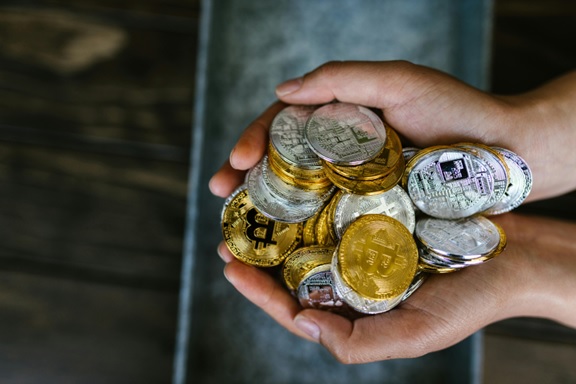
Gaming and crypto? Now that’s a match made in digital heaven. These two worlds have been dancing around each other for years, but now they’re finally getting serious. And honestly, it’s about time.
I’ve watched this space evolve, and what we’re seeing isn’t just another tech trend. It’s a fundamental shift in how we think about digital ownership, payments, and what gaming can actually be. Let’s dive into five ways you can actually use cryptocurrency in online gaming — and why you should care.
Lightning-Fast Transactions (Finally!)
Remember waiting three business days for a payment to clear? Yeah, those days are numbered.
Crypto transactions happen fast. We’re talking minutes, not days. When you want to buy that new character skin or upgrade your weapons, you don’t want to wait around twiddling your thumbs while your bank decides whether it trusts your purchase.
Here’s the thing — traditional payment systems are clunky. They involve banks, payment processors, currency converters, and a whole parade of middlemen who all want their cut. With crypto, you cut through most of that noise. Bitcoin, Ethereum, and other major cryptocurrencies let you send payments directly. No waiting. Lower fees. Just you, the game, and your transaction.
The best part? You’re not dealing with currency conversion headaches. Whether you’re in Tokyo or Toronto, crypto works the same way.
Privacy That Actually Matters
Let’s be real — nobody wants their gaming habits broadcast to the world. Or worse, stored in some database that’ll probably get hacked next Tuesday.
Crypto gives you something traditional payments can’t: genuine privacy. You don’t need to hand over your credit card details, bank account info, or your firstborn’s social security number just to play a game. The blockchain handles verification without exposing your personal data to every platform you interact with.
Now, I’m not saying crypto is completely anonymous (it’s not), but it’s way more private than traditional methods. Your transaction history lives on the blockchain, but it’s not tied to your real identity unless you want it to be. For gamers who value privacy, that’s huge.
Plus, the blockchain’s immutable nature means fraud becomes much harder. Once a transaction is recorded, it’s there forever. No chargebacks, no “oops, we lost your payment” scenarios.
Digital Assets You Actually Own
This is where things get really interesting. Remember all those hours you spent grinding for that legendary sword? What if you could actually own it?
Tokenization turns your in-game items into real digital assets. That rare skin you earned? It becomes a token on the blockchain that you genuinely own. You can trade it, sell it, or keep it forever — your choice.
Crypto poker platforms show this perfectly. Players aren’t just playing for fun anymore — they’re building actual value through their skills and time investment. Your poker prowess can translate into real returns.
This isn’t just about making money (though that’s nice). It’s about respect for the time and effort players put into games. When you earn something, you should own it. Period.
Breaking Down Barriers
Here’s something that doesn’t get talked about enough: traditional banking systems leave a lot of people out in the cold.
If you live in certain countries, good luck accessing many gaming platforms. International payments are expensive, slow, and sometimes impossible. Your bank might not play nice with gaming companies. Currency restrictions can shut you out entirely.
Crypto doesn’t care where you live. It works the same whether you’re in New York or Nigeria. This opens up gaming to millions of people who were previously locked out by geography or banking limitations.
I’ve seen talented gamers from developing countries finally able to compete on global platforms because crypto removed the payment barriers. That’s not just good business — it’s the right thing to do.
Rewards That Don’t Suck
Traditional loyalty programs are pretty meh. Collect points, redeem for predetermined rewards, repeat until bored.
Crypto-based rewards are different. The tokens you earn have real flexibility. Use them in-game, trade them for other cryptocurrencies, or hold onto them as investments. Some platforms let you use gaming tokens to buy merchandise or access exclusive events.
It’s like earning frequent flyer miles that you can actually use anywhere, not just on overpriced airline snacks.
The psychological impact is real, too. When rewards have genuine value beyond the game itself, players engage differently. They’re more invested, more loyal, and more likely to stick around long-term.
The Bottom Line
Crypto in gaming isn’t just a novelty anymore. It’s solving real problems that have bugged gamers and developers for years: slow payments, privacy concerns, lack of true ownership, geographic restrictions, and underwhelming rewards.
Is it perfect? No. Are there still kinks to work out? Absolutely. But the potential is undeniable.
Whether you’re a player tired of traditional gaming limitations or a developer looking to tap into new markets, crypto offers tools that simply didn’t exist before. The question isn’t whether this integration will happen — it’s whether you’ll be part of it from the beginning or playing catch-up later.
The gaming world is changing. Might as well change with it.