
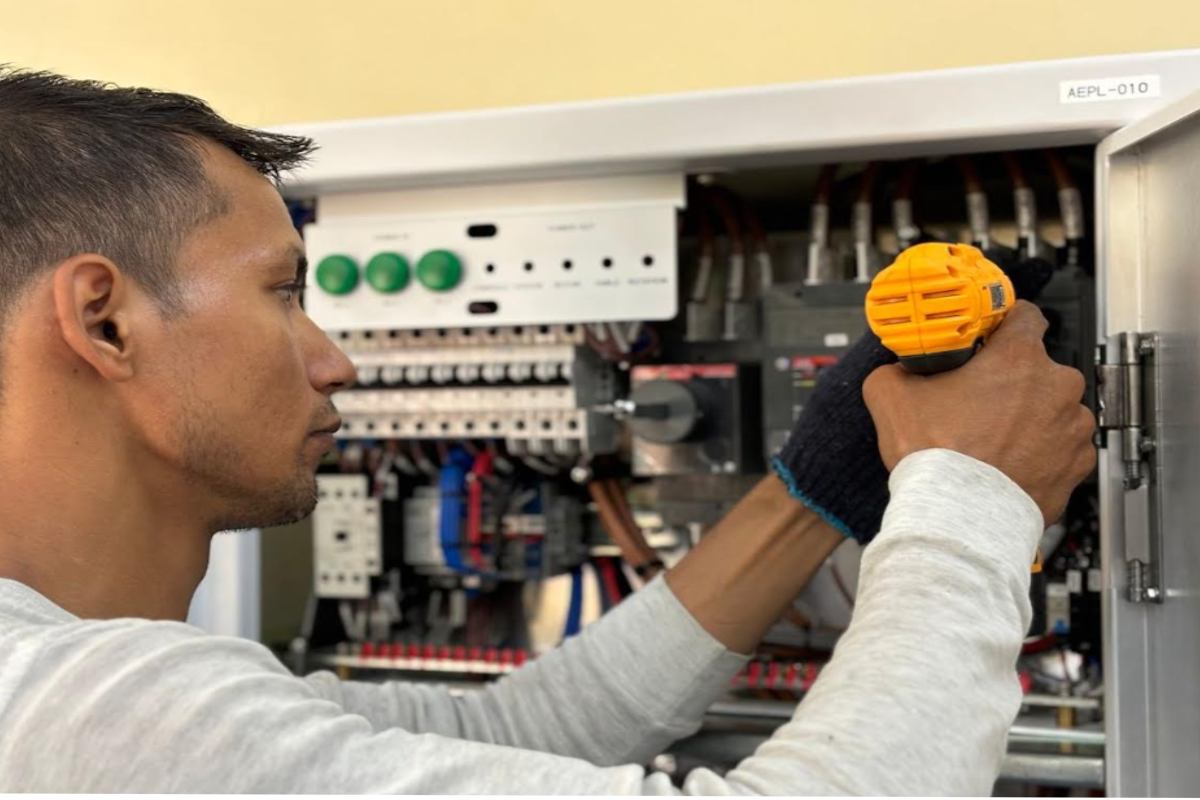
Electrical safety standards continue to evolve as new technologies, installation methods, and energy systems emerge. For electricians working in the UK, staying up to date with the latest regulations is essential not only for compliance but also for ensuring safe and reliable installations.
The 18th Edition Wiring Regulations, officially known as BS 7671, provide the framework for electrical installation standards across the UK. Understanding these regulations is crucial for electricians, contractors, inspectors, and anyone involved in electrical work.
What Are the 18th Edition Wiring Regulations?
The 18th Edition Wiring Regulations are the latest version of the British Standard for electrical installations. Published by the Institution of Engineering and Technology (IET) and the British Standards Institution (BSI), the regulations outline the requirements for designing, installing, inspecting, and testing electrical systems.
Their primary purpose is to:
- Protect people from electrical hazards
- Reduce the risk of fire
- Improve installation safety
- Ensure electrical systems operate effectively
- Support compliance with UK legislation
For practising electricians, knowledge of BS 7671 is a fundamental professional requirement.
Why the Regulations Matter
Electrical systems are becoming increasingly complex. The rise of electric vehicle charging, renewable energy installations, battery storage systems, and smart technologies has introduced new considerations for installers.
The 18th Edition helps ensure that installations remain safe and fit for purpose as technology continues to evolve.
Failure to comply with current regulations can lead to:
- Unsafe installations
- Failed inspections
- Legal liabilities
- Increased maintenance costs
- Risks to property and occupants
Key Areas Electricians Should Understand
Residual Current Device (RCD) Protection
One of the most important aspects of the regulations is the use of Residual Current Devices.
RCDs provide additional protection against electric shock and are required in many installation scenarios. Electricians must understand where RCD protection is mandatory and how to select appropriate devices for different applications.
Surge Protection Devices (SPDs)
The 18th Edition introduced greater emphasis on surge protection.
SPDs help protect electrical installations and connected equipment from transient overvoltages caused by lightning strikes or switching events within power networks.
Electricians should assess whether surge protection is required during the design stage of an installation.
Arc Fault Detection Devices (AFDDs)
Arc faults can generate significant heat and potentially cause fires.
AFDDs are designed to detect dangerous electrical arcing conditions before they escalate into serious safety issues. While requirements vary depending on the installation type, electricians should understand where AFDDs may be recommended or required.
Electric Vehicle Charging Installations
The growth of electric vehicles has created new opportunities and responsibilities for electrical professionals.
EV charging installations must comply with specific requirements relating to:
- Earthing arrangements
- Protective devices
- Cable selection
- Load management
- Electrical safety
As EV adoption continues to increase, competence in this area is becoming increasingly valuable.
Inspection, Testing, and Certification
Correct installation is only part of the process.
Electricians must also be capable of inspecting, testing, and certifying work to demonstrate compliance with BS 7671. Accurate documentation remains a key part of professional electrical practice.
The Importance of Ongoing Training
Electrical regulations do not remain static. Amendments and updates are introduced to address emerging technologies and safety considerations.
This is why professional development remains essential throughout an electrician’s career. Training providers such as Pragmatic Consulting help electricians and contractors stay informed about industry requirements, regulatory updates, and specialist qualifications that support compliance and career progression.
Regular training helps ensure that electrical professionals can confidently apply the latest standards in real-world environments.
Common Challenges When Adapting to New Regulations
Many electricians face challenges when regulations change, particularly when balancing existing practices with new requirements.
Common difficulties include:
- Understanding updated technical requirements
- Selecting appropriate protective devices
- Managing additional documentation
- Keeping pace with emerging technologies
- Ensuring installations meet inspection standards
Continuous learning and access to quality training can help overcome these challenges.
FAQ
What is the 18th Edition Wiring Regulations qualification?
The qualification demonstrates that an electrician understands the requirements of BS 7671 and can apply the regulations when designing, installing, and inspecting electrical systems.
Is the 18th Edition mandatory for electricians?
While the qualification itself may not always be legally required, compliance with current wiring regulations is essential for carrying out safe and professional electrical work.
What does BS 7671 cover?
BS 7671 covers the design, installation, inspection, testing, and maintenance of electrical installations to ensure safety and compliance.
Why are surge protection devices important?
SPDs help protect electrical systems and equipment from damaging voltage spikes caused by external or internal electrical events.
How often are wiring regulations updated?
The regulations are periodically reviewed and amended to reflect technological developments, safety improvements, and industry best practices.
Conclusion
The 18th Edition Wiring Regulations remain a cornerstone of electrical safety and professional practice in the UK. As technologies such as electric vehicles, renewable energy systems, and smart buildings become more common, electricians must stay informed about evolving standards and compliance requirements.
By understanding key aspects of BS 7671 and investing in ongoing professional development, electrical professionals can deliver safer installations, meet industry expectations, and position themselves for long-term success in a rapidly changing sector.